The Reality Check: Most Organizations Skip the Journey
Here’s the uncomfortable truth that most security vendors won’t tell you: the majority of security system failures aren’t caused by faulty technology – they’re caused by faulty processes. Organizations rush to buy cameras, access control systems, and perimeter detection equipment without understanding the critical consulting journey that must precede any technological implementation.
The result? Expensive systems that don’t integrate properly, security gaps that weren’t identified during planning, and operational procedures that create more problems than they solve. This is precisely why Tandu’s comprehensive consulting approach begins long before any equipment specification is written.
Phase 1: The Security Survey - More Than Just Counting Cameras
Every successful security project begins with what the industry calls a security survey, but what most organizations receive is nothing more than a basic audit of existing equipment. Tandu’s security survey methodology goes far deeper, examining the fundamental relationship between physical space, operational requirements, and threat landscape.
Comprehensive Threat Assessment: We don’t just identify what could go wrong – we analyze the probability, impact, and detection methods for each potential threat scenario. This includes everything from traditional security concerns to modern challenges like insider threats and cyber-physical attacks.
Operational Workflow Analysis: Security systems must support, not hinder, normal operations. Our surveys map how people, vehicles, and materials move through facilities during normal operations, emergency situations, and special events.
Integration Capability Assessment: Modern security systems don’t operate in isolation. We evaluate existing infrastructure, communication networks, and operational procedures to ensure any new security technology will integrate seamlessly with current operations.
Regulatory and Compliance Mapping: Different facilities face different regulatory requirements. Our surveys identify all applicable standards, codes, and compliance requirements that will influence system design and operational procedures.
Phase 2: Operational Requirements Definition
The security survey reveals what needs protection; the operational requirements definition determines exactly how that protection will function in the real world. This is where Tandu’s expertise in security engineering becomes critical – translating security needs into specific, measurable operational parameters.
Performance Specifications: Rather than specifying equipment brands, we define performance requirements that any suitable technology must meet. This approach ensures the best possible system while maintaining vendor flexibility and competitive pricing.
Integration Requirements: Every new security system must work with existing infrastructure. We specify exactly how new systems will communicate with current building management systems, fire safety equipment, and operational procedures.
User Interface Standards: Security systems are only effective if operators can use them properly. We define interface requirements that ensure systems are intuitive, efficient, and aligned with operator skill levels and training programs.
Scalability Parameters: Organizations grow and change. Our operational requirements include provisions for future expansion, technology upgrades, and changing operational needs.
Phase 3: Technology Specification and System Design
With comprehensive survey data and clear operational requirements, we move to technology specification – but this isn’t about choosing products from catalogs. This phase requires deep expertise in security system integration consulting that understands how individual components work together as unified systems.
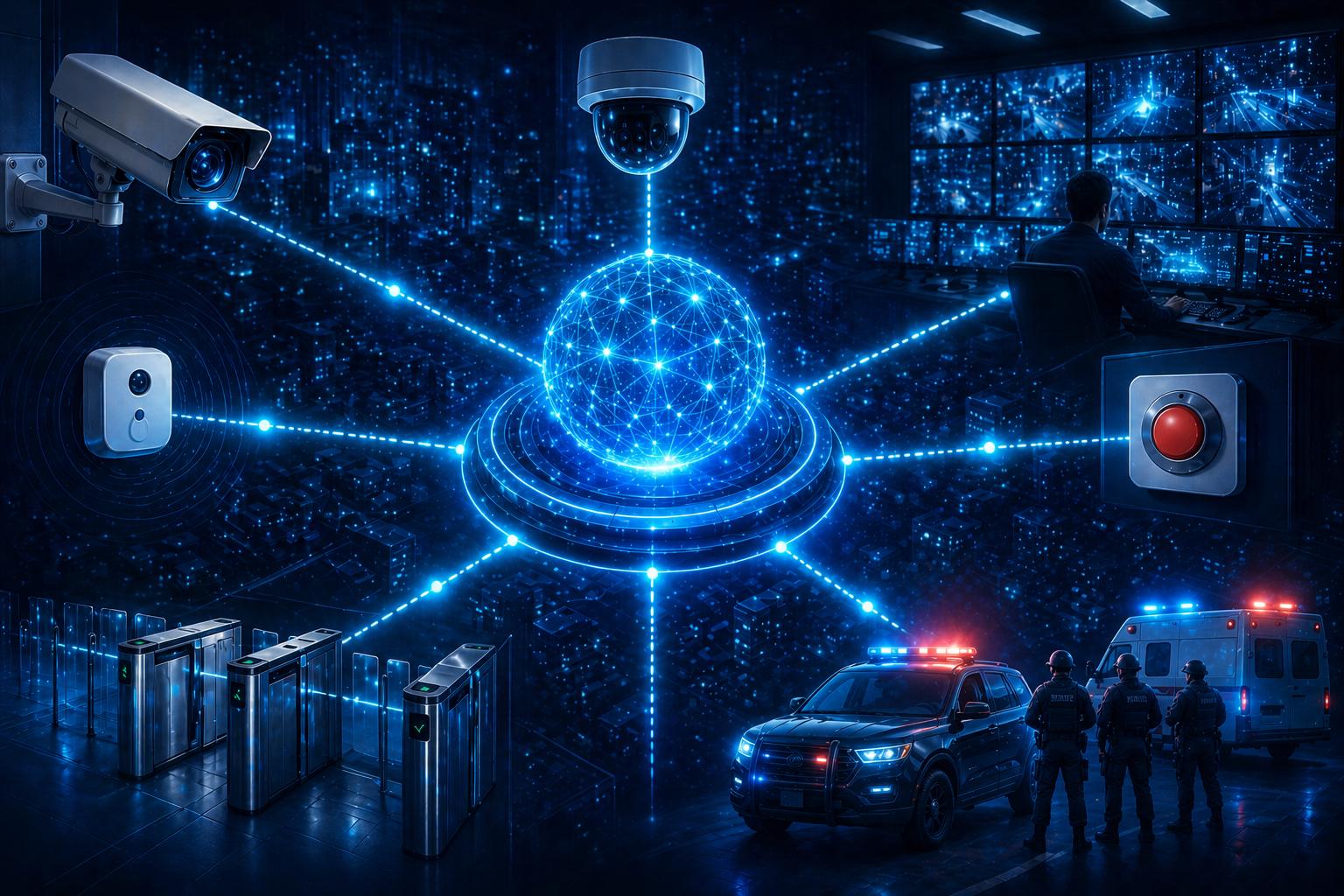
Low-Voltage Systems Integration: Modern security relies on sophisticated integration of CCTV systems, access control, perimeter detection, intrusion alarms, and communication systems. Each component must be specified not just for individual performance, but for system-wide compatibility and performance.
Communication Architecture: Security systems generate enormous amounts of data that must be transmitted, processed, and stored reliably. We design communication architectures that ensure reliable data flow while maintaining cybersecurity for critical infrastructure design.
Power and Environmental Systems: Security systems must operate during the exact conditions when they’re needed most – power outages, extreme weather, and emergency situations. Our specifications include comprehensive backup power, environmental protection, and redundancy requirements.
Cybersecurity Integration: Modern security systems are cyber-physical systems that require protection from both physical and digital threats. We specify cybersecurity requirements that protect operational technology while enabling necessary connectivity and remote management capabilities.
Phase 4: Vendor Management and Procurement
Technology specification is only valuable if it results in the right equipment, properly installed, at fair prices. Tandu’s vendor management approach ensures clients receive maximum value while avoiding the pitfalls that plague many security projects.
Competitive Procurement Process: Our detailed specifications enable true competitive bidding where vendors compete on value, not just price. This approach typically results in better systems at lower costs than traditional procurement methods.
Vendor Qualification: Not all security companies have the expertise to install and integrate complex systems properly. We pre-qualify vendors based on technical capabilities, project experience, and financial stability.
Contract Management: Security system contracts involve complex technical requirements, performance standards, and warranty provisions. Our contract management ensures clients are protected throughout the project lifecycle.
Phase 5: Project Supervision and Quality Control
Even the best specifications and qualified vendors require active supervision to ensure projects meet requirements and deliver expected performance. This phase separates professional consulting from basic system design.
PDR (Preliminary Design Review) Process: Before any equipment is ordered, we conduct comprehensive design reviews that verify all specifications are met and identify potential integration issues before they become expensive problems.
CDR (Critical Design Review) Process: As projects progress, we conduct critical design reviews at key milestones to ensure implementation matches specifications and performance requirements remain achievable.
Installation Supervision: Our supervision during installation ensures work meets professional standards, integration requirements are fulfilled, and systems are configured for optimal performance.
System Commissioning: Before any system is accepted, we oversee comprehensive testing that verifies all performance requirements are met and operators are properly trained on system capabilities and limitations.
Phase 6: Acceptance Testing and Handover
The consulting journey doesn’t end when equipment is installed—it ends when systems are proven to meet operational requirements and users are confident in their operation.
Performance Verification: We conduct comprehensive testing that proves systems meet all specified performance requirements under real-world conditions, not just laboratory standards.
Integration Testing: Modern security systems must work together seamlessly. Our testing verifies that all system components communicate properly and provide the unified security picture operators need.
Operator Training: The most sophisticated security system is useless if operators can’t use it effectively. We ensure comprehensive training that covers normal operations, emergency procedures, and basic troubleshooting.
Documentation and Procedures: Every system requires comprehensive documentation and operational procedures. We ensure clients receive complete documentation that enables effective operation and future maintenance.
The Integration Challenge: Why Expertise Matters
The complexity of modern security systems means that successful integration requires specialized expertise that goes far beyond basic installation skills. Low-voltage systems involve intricate relationships between power, communication, and control systems that must work together flawlessly.
CCTV Integration: Modern video surveillance involves much more than cameras and monitors. Integration with access control systems, intrusion detection, and building management systems requires deep understanding of network architecture, video analytics, and data management.
Access Control Complexity: Today’s access control systems integrate with time and attendance systems, visitor management, emergency evacuation procedures, and cybersecurity protocols. Proper integration requires understanding of both physical security and information technology.
Perimeter Detection Systems: Modern perimeter security involves multiple detection technologies that must be integrated with CCTV systems, lighting control, and response procedures. Integration requires understanding of sensor technology, environmental factors, and operational procedures.
Communication Systems: Security systems must communicate reliably during the exact conditions when they’re needed most. Integration with emergency communication systems, building management, and external emergency services requires specialized expertise in command & control centers design and operation.
Beyond Technology: The Human Factor
The most sophisticated technology integration is meaningless without proper consideration of human factors—how operators will use systems, how procedures will be implemented, and how the organization will maintain operational effectiveness.
Operator Interface Design: Security systems generate enormous amounts of information. Effective integration must present this information in ways that enable rapid decision-making without overwhelming operators with unnecessary data.
Procedure Integration: New security systems must integrate with existing operational procedures, emergency response plans, and regulatory requirements. This integration requires understanding of organizational behavior, not just technology.
Training and Competency: System integration includes ensuring operators have the knowledge and skills needed to use systems effectively. This requires ongoing training programs, not just initial equipment familiarization.
Maintenance and Support: Integrated systems require integrated maintenance and support procedures. Our consulting includes development of maintenance programs that keep systems operating at peak performance throughout their operational life.
The ROI of Professional Consulting
Organizations often view security consulting as an additional expense rather than essential investment. However, the cost of comprehensive consulting typically represents a small fraction of total project costs while providing benefits that far exceed the investment.
Reduced Installation Costs: Proper specifications and vendor management typically reduce installation costs by 15-25% compared to traditional procurement methods, more than paying for consulting fees.
Improved System Performance: Systems designed through comprehensive consulting processes typically perform 30-40% better than those specified through traditional vendor-driven approaches.
Reduced Operational Costs: Properly integrated systems require less maintenance, provide better user interfaces, and reduce operator training requirements, resulting in significant long-term cost savings.
Risk Mitigation: Comprehensive consulting identifies and addresses potential problems before they become expensive failures, protecting organizations from both security gaps and technology disappointments.
Looking Forward: The Evolution of Security Integration
The security industry continues evolving rapidly, with new technologies, changing threat landscapes, and evolving operational requirements. Organizations that invest in comprehensive consulting build adaptable systems that can evolve with changing needs.
Artificial Intelligence Integration: Modern security systems increasingly incorporate AI capabilities for video analytics, behavioral analysis, and automated response. Proper integration requires understanding both AI capabilities and limitations.
Cybersecurity Convergence: The boundary between physical security and cybersecurity continues blurring. Future security systems require integrated approaches that address both physical and digital threats simultaneously.
Smart Building Integration: Security systems increasingly integrate with building management systems, energy management, and operational optimization. This integration requires understanding of multiple building systems and their interactions.
Regulatory Evolution: Security regulations continue evolving, particularly in areas like privacy protection, data management, and emergency response. Future-ready systems must be designed with regulatory flexibility in mind.
The Tandu Difference: Comprehensive Expertise
What sets Tandu apart in the security consulting landscape is our comprehensive expertise that spans the entire consulting journey. We don’t just design systems – we ensure they work effectively in real-world conditions.
Global Experience: Our international project experience provides insights into best practices, emerging technologies, and innovative solutions that local vendors simply can’t match.
Multi-Disciplinary Expertise: Our team includes experts in physical security, cybersecurity, operational technology, project management, and emergency & business continuity planning – all essential for successful system integration.
Vendor Independence: We don’t sell equipment, so our recommendations are based entirely on client needs rather than vendor relationships or profit margins.
Long-Term Partnership: Our relationship with clients extends beyond project completion. We provide ongoing support, system optimization, and upgrade planning that ensures long-term system effectiveness.
Conclusion: The Journey Continues
The path from security survey to fully integrated security system represents much more than a procurement process – it’s a transformation journey that affects every aspect of organizational security and operations. Organizations that understand this journey and invest in professional consulting achieve security systems that truly protect assets, support operations, and adapt to changing needs.
The choice facing every organization is simple: invest in comprehensive consulting that ensures system success, or risk joining the long list of organizations with expensive security systems that don’t deliver expected results.
As we established in our discussion of strategic security planning, successful security projects begin with proper planning and continue through expert implementation. The consulting journey we’ve outlined here provides the roadmap for that success – but only for organizations ready to invest in professional expertise rather than settle for vendor-driven solutions.
Your organization’s security deserves better than off-the-shelf solutions and basic installation services. It deserves the comprehensive consulting journey that transforms security concerns into effective, integrated protection systems that actually work when you need them most.
The question isn’t whether you need comprehensive security consulting – it’s whether you’re ready to invest in the expertise that makes the difference between security systems that work and expensive technology that disappoints.